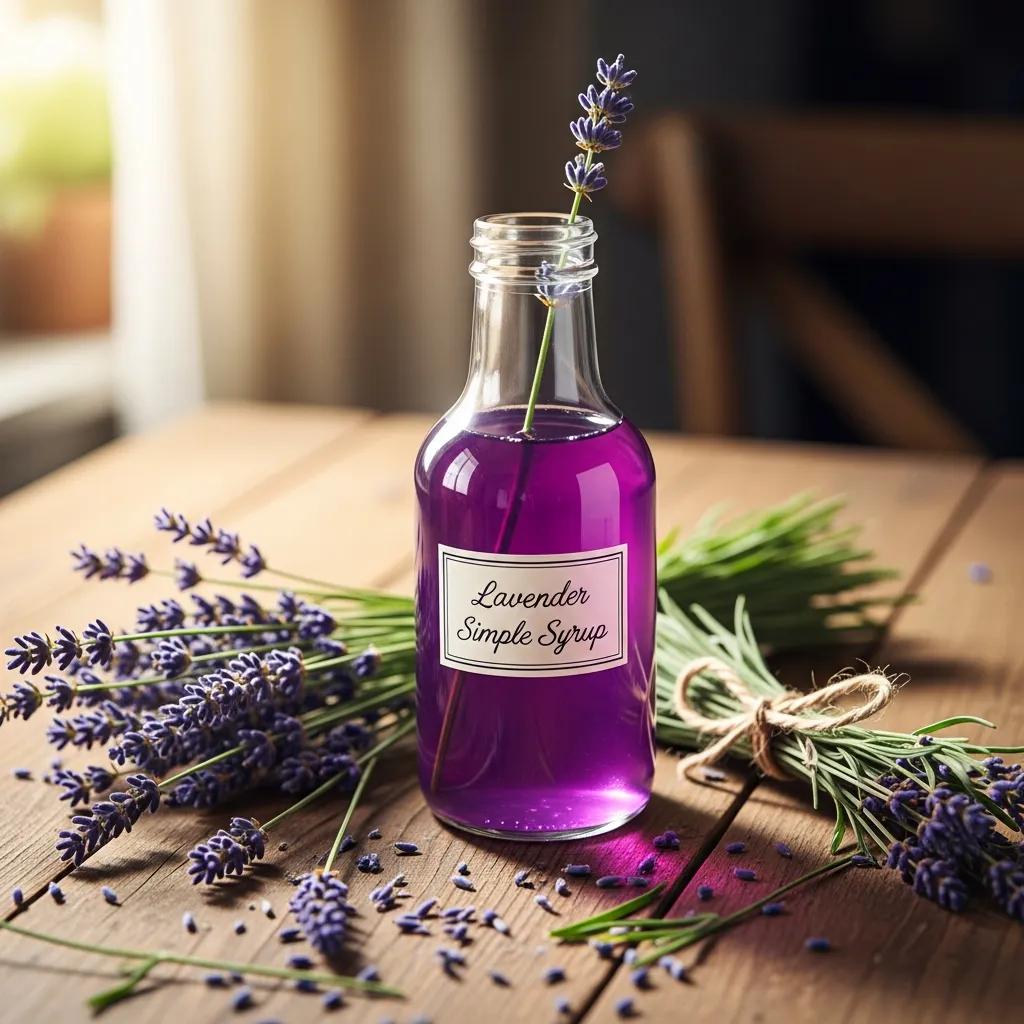
Master the Magic: Why Homemade Lavender Syrup is Your Next Kitchen Essential
Imagine transforming your everyday beverages and culinary creations with a captivating hint of floral elegance. That's the enchanting promise of homemade lavender syrup. Forget shelling out a small fortune for fancy coffee shop concoctions; with just three simple ingredients and a few minutes in your kitchen, you can unlock a world of sophisticated flavors. This isn't just a trend; it's a game-changer for anyone looking to elevate their home bar, coffee station, or baking repertoire.
For many, the journey begins with that first sip of a lavender-infused iced latte, a delightful discovery often made at a beloved local café. The good news? Replicating that magic at home is not only achievable but incredibly easy and far more budget-friendly. Once you discover the ease of making your own lavender syrup for lattes, cocktails, and so much more, it’s bound to become a staple in your weekly routine. Its versatility extends far beyond drinks, proving to be a secret weapon for countless delicious treats.
Unlocking the Secret: Just 3 Essential Ingredients for Perfect Lavender Syrup
The beauty of this floral elixir lies in its remarkable simplicity. Like any classic simple syrup, the base formula is straightforward, allowing the delicate essence of lavender to truly shine. To craft your own batch of this delightful lavender syrup, you'll need three fundamental components:
1. Culinary Lavender Buds
- The Star of the Show: This is arguably the most crucial ingredient. It's imperative to use food-grade culinary lavender buds. Do not use lavender from craft stores or garden centers unless explicitly labeled for consumption, as it may contain pesticides or be a non-culinary variety.
- Source Quality Matters: Look for organic culinary lavender from reputable spice shops, health food stores, or online retailers. The quality of your buds will directly impact the flavor and aroma of your syrup.
- Dried vs. Fresh: While fresh lavender can be used, dried culinary lavender buds are far more common, easier to source year-round, and often provide a more concentrated, consistent flavor profile.
2. Water
- The Foundation: As with any simple syrup, water forms the base.
- Filtered is Best: For the purest taste that allows the lavender to truly shine, opt for filtered water. Tap water, depending on your region, can sometimes impart off-flavors that detract from the delicate floral notes.
3. Sweetener of Choice
- The Balance: The sweetener not only provides sweetness but also helps preserve the syrup.
- Classic White Sugar: Regular granulated white sugar is the most common choice. Not only does it yield a clear, vibrant syrup, but it also allows any natural purple hue from the lavender to come through beautifully.
- Alternative Sweeteners: Don't limit yourself! You can experiment with various sweeteners to suit your dietary preferences or desired flavor profile:
- Organic Cane Sugar: A great alternative to conventional white sugar.
- Coconut Sugar: Will impart a slightly caramel-like, darker flavor and color.
- Brown Sugar: Offers a richer, molasses-like depth, also resulting in a darker syrup.
- Honey: Adds a distinct honey flavor that pairs wonderfully with lavender, but be mindful it can also darken the color.
- Maple Syrup: Offers a unique, earthy sweetness, also affecting the syrup's color.
- Adjust to Taste: The standard simple syrup ratio is 1:1 (sugar to water), but you can adjust this slightly. If you prefer a less sweet syrup, start with a little less sugar and you can always add more later if needed when mixing with other ingredients.
Crafting Your Perfect Lavender Syrup: A Simple Step-by-Step Guide
Making homemade lavender syrup is a remarkably straightforward process, requiring minimal effort for maximum reward. Here’s how you can achieve a perfectly balanced, aromatic syrup every time:
- Gather Your Tools: You'll need a medium saucepan, a fine-mesh sieve or cheesecloth, and an airtight container or bottle for storage.
- Combine Ingredients: In your medium saucepan, combine your filtered water, chosen sweetener, and culinary lavender buds. A good starting ratio is often 1 cup water, 1 cup sugar, and 2-3 tablespoons of dried lavender buds.
- Heat and Dissolve: Place the saucepan over medium-high heat. Stir constantly until the sugar completely dissolves. Bring the mixture to a gentle boil, then immediately reduce the heat to a low simmer.
- Simmer and Infuse: Allow the syrup to simmer for about 5 minutes. During this time, the heat helps to extract the fragrant oils and flavors from the lavender buds, infusing them into the sweet liquid. Keep a close eye to prevent scorching. For a more intense lavender flavor, you can simmer for up to 7-10 minutes, but be cautious not to over-steep, as this can sometimes lead to a bitter taste.
- Cool and Steep (Optional): Once simmering is complete, remove the saucepan from the heat. For a stronger flavor, you can allow the lavender buds to steep in the cooling syrup for an additional 15-30 minutes, or even longer if you prefer a very robust aroma. However, for a classic delicate flavor, straining immediately after cooling for 5-10 minutes works perfectly.
- Strain the Syrup: Carefully pour the syrup through a fine-mesh sieve or cheesecloth into a clean bowl or jar, ensuring all lavender buds are removed. Press lightly on the buds to extract any remaining liquid, but avoid squeezing too hard, which can release unwanted bitter compounds.
- Cool Completely: Allow the strained lavender syrup to cool completely to room temperature before transferring it to an airtight container. This step is crucial for safe storage and to prevent condensation, which can dilute the syrup.
- Store: Once cooled, transfer your lavender syrup to a clean, airtight bottle or jar and store it in the refrigerator. Properly stored, it will typically last for 2-3 weeks, though some batches may last longer. Always check for any signs of spoilage before use.
Beyond the Latte: Endless Culinary Adventures with Lavender Syrup
Once you have a batch of this fragrant lavender syrup on hand, the possibilities for its use are truly boundless. Its delicate floral notes add a sophisticated twist to an impressive array of dishes and drinks, making it an incredibly versatile ingredient.
Enchanting Beverages:
- Coffee Creations: The most popular application, transforming your daily coffee or espresso into a luxurious experience. Swirl it into hot lattes, iced coffees, or even cold brews. Pair it with a splash of oat milk for a creamy, fragrant treat.
- Sophisticated Cocktails: Lavender syrup is a bartender's dream. It marries beautifully with gin, vodka, and even whiskey. Try a refreshing Lavender Gin Fizz, a vibrant Lavender Mojito, or elevate a classic Prosecco with a dash for a floral spritz. It also makes for an incredible lavender syrup for cocktails.
- Refreshing Non-Alcoholic Drinks: A splash transforms ordinary beverages into something special. Add it to homemade lemonade, iced tea, or sparkling water for a light, invigorating refreshment. It can also brighten up fruit smoothies or mocktails.
Delightful Desserts & Baked Goods:
- Floral Glazes: Whisk lavender syrup with powdered sugar to create an exquisite glaze for cakes, cookies, or pastries. It adds both shine and an aromatic finish.
- Whipped Cream: Gently fold lavender syrup into heavy cream as you whip it to stiff peaks for a truly elegant lavender whipped cream, perfect for topping berries, pies, or hot chocolate.
- Cake Soaks & Frostings: Brush cooled cake layers with diluted lavender syrup for added moisture and flavor, or incorporate it into buttercreams and cream cheese frostings.
- Ice Cream & Sorbets: Drizzle over vanilla ice cream or use it as a base for a homemade lavender-infused ice cream or sorbet.
Beyond the Sweet:
- Breakfast Boost: A unique way to sweeten oatmeal, yogurt parfaits, or even drizzle over pancakes and waffles for a sophisticated morning treat.
- Savory Pairings: While less common, a very light touch of lavender syrup can add intriguing complexity to certain savory dishes, particularly those involving roasted chicken or duck, or in salad dressings with fruit.
Expert Tips for the Perfect Batch of Lavender Syrup
While making homemade lavender syrup is generally foolproof, a few expert tips can help you achieve perfection and tailor the syrup to your precise preferences:
- Always Use Culinary Lavender: As mentioned, this cannot be stressed enough. Ensure your lavender is specifically intended for food use to guarantee safety and the best flavor.
- Don't Over-Steep: Lavender can become quite potent and even bitter if steeped for too long. If you're new to lavender syrup, start with the recommended steeping time and adjust in subsequent batches. You want a delicate floral note, not an overwhelming perfumed taste.
- Taste and Adjust Sweetness: Everyone's palate is different. Feel free to slightly alter the sugar-to-water ratio. You can always add more sugar when making the syrup or add less and adjust the sweetness of your final beverage or dish.
- Experiment with Infusions: Once you've mastered the basic lavender syrup recipe, consider adding other complementary flavors during the simmering stage. Lemon zest, a few mint leaves, a vanilla bean, or even a couple of rose petals can create fascinating new dimensions of flavor.
- Proper Storage is Key: An airtight container and refrigeration are vital for extending the shelf life of your syrup. Always label your container with the date it was made.
- Start Small: If it's your first time, make a smaller batch to test your preferred lavender intensity. You can always scale up once you've found your perfect balance.
Embrace the Floral Revolution
Creating your own lavender syrup is a simple act that yields extraordinary results. From transforming mundane coffee breaks into luxurious moments to impressing guests with unique cocktails and desserts, this floral elixir is a versatile powerhouse. So, gather your three ingredients, follow these easy steps, and prepare to infuse your kitchen with the captivating aroma and delicate taste of homemade lavender. The journey to endless culinary creativity starts here.
