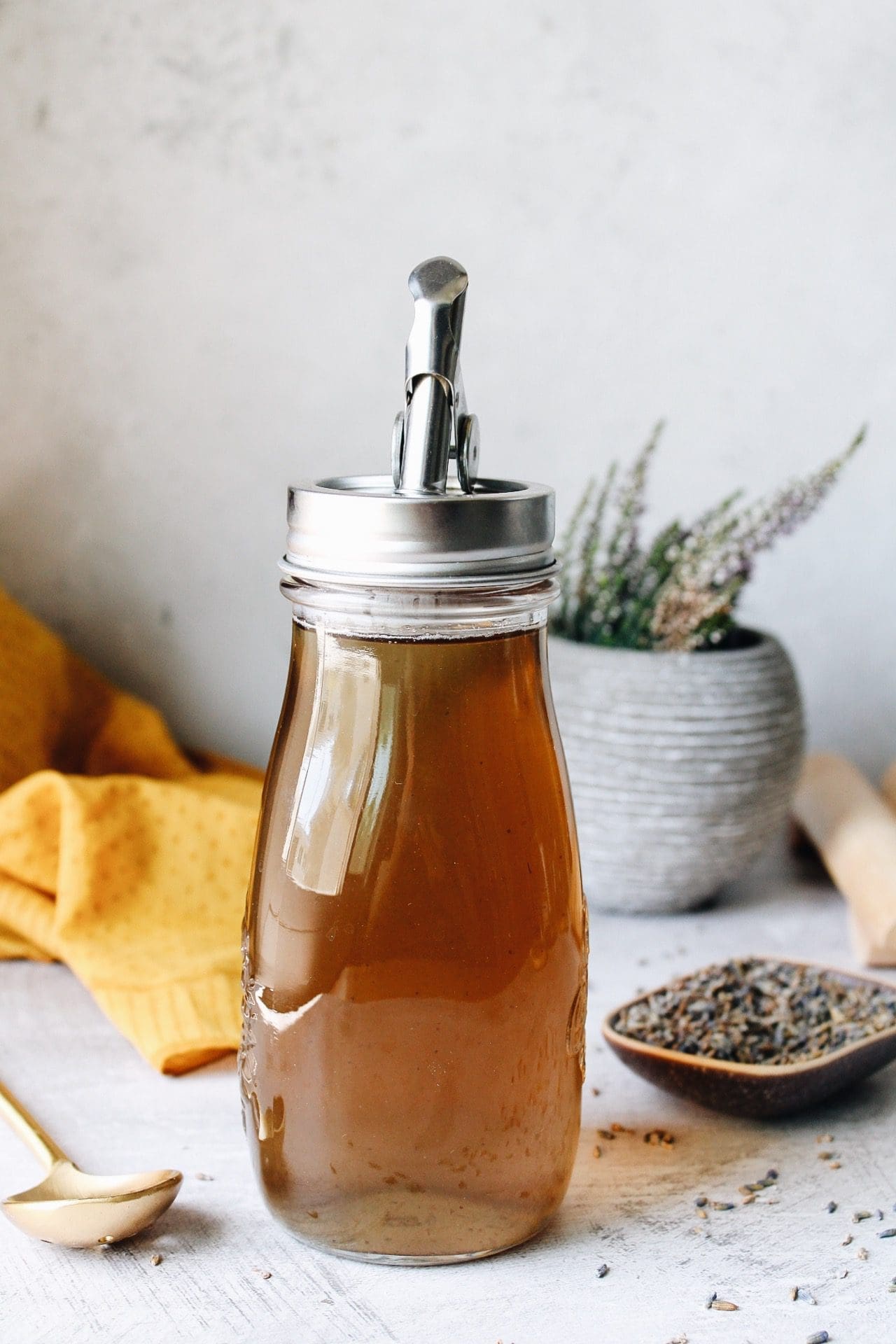
Skip the Coffee Shop: Make Your Own Lavender Syrup for Lattes & Cocktails
There’s a certain magic in a perfectly crafted lavender latte or a fragrant lavender gin fizz. The delicate floral notes mingling with your favorite brew or spirit can elevate an ordinary moment into something truly special. For many, these delightful concoctions are exclusive to bustling coffee shops and artisan cocktail bars, often coming with a hefty price tag. But what if we told you that the secret to unlocking this enchanting flavor at home is incredibly simple, economical, and requires just three humble ingredients?
Indeed, making your own
lavender syrup has become a beloved ritual for countless enthusiasts, transforming kitchens into personal cafes and bars. It’s a revelation that can save you money, empower you with control over ingredients, and open up a world of culinary possibilities far beyond just drinks. If you've ever dreamt of sipping a perfectly balanced lavender iced latte on your porch without the morning commute, or impressing guests with a unique floral cocktail, then mastering homemade lavender syrup is your next delicious adventure.
Why Make Your Own Lavender Syrup? The Cost-Effective & Flavorful Choice
The allure of a barista-made lavender latte is undeniable, but the recurring cost can quickly add up. Imagine enjoying that same luxurious taste every day for a mere fraction of the price. That's the immediate, tangible benefit of making your own
lavender syrup. You're not just saving money; you're investing in a fresh, vibrant flavor experience that is often superior to many store-bought alternatives.
Beyond the financial savings, crafting your own syrup grants you complete control over the ingredients. You can choose organic cane sugar, filtered water, and most importantly, high-quality, food-grade culinary lavender buds. This ensures a clean, pure flavor profile, free from artificial additives or preservatives often found in commercial syrups. The freshness of homemade syrup is unparalleled, allowing the subtle, aromatic notes of lavender to truly shine. It's an empowering feeling to know exactly what goes into your drinks and dishes, tailoring the sweetness and floral intensity to your exact preference. Plus, there's an immense satisfaction in knowing you created something so delightful with your own hands – a little touch of luxury made simple.
The Simple Magic: 3 Ingredients to Your Homemade Lavender Syrup
At its heart, making
lavender syrup is a variation of a classic simple syrup, requiring only three key components. The beauty lies in the quality of these ingredients and the balance you strike between them.
1.
Water: While tap water will technically work, using filtered water is highly recommended. It ensures a clean, neutral base that allows the delicate lavender flavor to come forward without any off-notes from chlorine or other impurities. Think of it as a blank canvas for your aromatic masterpiece.
2.
Sweetener of Choice: The standard for simple syrup is granulated white sugar, and it's particularly excellent for lavender syrup because it allows the subtle purple hue of the lavender buds to gently infuse into the liquid, giving your syrup a beautiful, natural color. However, you're not limited to white sugar.
*
Organic cane sugar is a great refined option.
*
Coconut sugar or
brown sugar can add a deeper, more caramel-like undertone, though they might obscure the purple color.
* For a different sweetness profile, you could experiment with
honey or
maple syrup, keeping in mind these will introduce their own distinct flavors and significantly alter the color. When experimenting with alternative sweeteners, consider starting with slightly less and adjusting to taste, as their sweetness levels can vary.
3.
Dried Culinary Lavender Buds: This is the star of the show and the most critical ingredient. It's imperative to use *food-grade* or *culinary lavender* buds. Do not use lavender from a craft store or garden that hasn't been specifically grown for consumption. These varieties may contain pesticides or be different species of lavender not suitable for eating, potentially leading to an unpleasant or even harmful experience. Culinary lavender is typically English lavender (
Lavandula angustifolia), known for its sweet, less camphoraceous flavor. You can find it online, at specialty spice shops, or sometimes in the bulk section of health food stores.
For a deeper dive into ingredient choices and advanced techniques, you might find
Your Guide to Easy Lavender Syrup: Ingredients, Steps & Flavor Variations incredibly helpful.
Crafting Your Perfect Batch: Step-by-Step Lavender Syrup Recipe
The process of making
lavender syrup is incredibly straightforward, following the basic principles of simple syrup with an added infusion step.
1.
Combine Ingredients: In a medium saucepan, combine 1 cup of filtered water, 1 cup of your chosen sugar (granulated white sugar for best color), and 2-3 tablespoons of dried culinary lavender buds. The ratio of sugar to water is typically 1:1 for a classic simple syrup, but you can slightly adjust for desired sweetness. More lavender buds will yield a stronger flavor.
2.
Heat to Dissolve: Place the saucepan over medium-high heat. Bring the mixture to a boil, stirring occasionally, until the sugar is completely dissolved. This usually takes just a few minutes.
3.
Simmer and Steep: Once the sugar is dissolved and the mixture is boiling, reduce the heat to low and let it simmer gently for about 5 minutes. This allows the liquid to thicken slightly and for the lavender to begin infusing its aromatic oils.
4.
Remove from Heat and Steep Further: After simmering, remove the saucepan from the heat. Now comes the crucial steeping phase. Cover the saucepan and let the lavender buds continue to steep in the hot syrup. The longer you steep, the more intense the lavender flavor will be. We recommend starting with 30-60 minutes. For a stronger, more pronounced flavor, you can steep for up to 2-3 hours, but be mindful that steeping too long can sometimes lead to a slightly bitter or overly "perfumey" taste. Taste periodically to find your ideal balance.
5.
Strain and Cool: Once your desired flavor intensity is reached, use a fine-mesh sieve to strain the syrup into a clean, airtight glass jar or bottle. Press gently on the lavender buds in the sieve to extract any remaining liquid, but avoid mashing them, which can release bitter compounds. Discard the spent lavender buds.
6.
Store: Allow the syrup to cool completely to room temperature before sealing and refrigerating.
Your homemade
lavender syrup is now ready to transform your culinary creations!
Beyond the Latte: Endless Ways to Enjoy Your Lavender Syrup
While the lavender latte might be the gateway, the versatility of homemade
lavender syrup truly knows no bounds. Once you have a batch in your fridge, you'll find yourself experimenting with its delicate floral notes in countless applications.
*
Coffee & Tea Drinks:
*
Lavender Lattes: Hot or iced, with your favorite milk (dairy or non-dairy). Add a splash to your morning espresso and steamed milk for an instant coffee shop upgrade.
*
Iced Teas: A drizzle in black tea, green tea, or herbal tea (like chamomile or mint) adds a refreshing floral twist.
*
Cold Brew & Iced Coffee: Elevate your usual cold brew with a pump of lavender syrup for a sophisticated, fragrant start to your day.
*
Cocktails & Mocktails:
*
Lavender Gin Fizz: A classic gin fizz gets an elegant upgrade with this syrup.
*
Lavender Mojito: Muddled mint, lime, rum, and a touch of lavender syrup create a uniquely refreshing cocktail.
*
Sparkling Lavender Lemonade: Combine fresh lemonade with sparkling water and a generous splash of lavender syrup for a vibrant, non-alcoholic treat.
*
Champagne or Prosecco: A small amount of syrup transforms a plain glass of bubbly into a celebratory floral toast.
*
Vodka Sours or Margaritas: Experiment with adding lavender to your favorite clear spirit-based cocktails.
*
Culinary Creations:
*
Glazes: Whisk
lavender syrup with powdered sugar to create a beautiful, aromatic glaze for cakes, muffins, scones, or sugar cookies.
*
Whipped Cream: Gently fold the syrup into heavy cream as you whip it to stiff peaks for a fragrant topping on desserts, fruit tarts, or hot chocolate.
*
Oatmeal & Yogurt: Drizzle over your morning oatmeal or yogurt parfait for a subtle, comforting flavor.
*
Fruit Salads: Toss fresh berries, peaches, or melon with a light coating of lavender syrup for an unexpected burst of flavor.
*
Ice Cream & Sorbets: Use it as a topping or even as a base ingredient for homemade floral ice cream.
If you're looking for an all-encompassing resource for uses, check out
Master Homemade Lavender Syrup: 3 Ingredients, Endless Uses. The possibilities truly are endless, making this simple syrup a powerful tool in your culinary arsenal.
Tips for Success & Customization: Elevate Your Lavender Syrup Game
Achieving the perfect
lavender syrup is largely about personal preference, and a few key tips can help you tailor it to your liking and ensure its longevity.
*
Flavor Intensity is Key: Don't be afraid to adjust the steeping time. If you prefer a very subtle hint of lavender, steep for less time (e.g., 20-30 minutes). For a robust, more pronounced flavor, extend the steeping up to a couple of hours. Always taste as you go!
*
Sweetness Level: While the 1:1 sugar to water ratio is standard, you can slightly reduce the sugar for a less sweet syrup, especially if you plan to use it in very sweet drinks or desserts. Conversely, a little more sugar can make it a thicker, more syrupy consistency.
*
Storage: Always store your homemade
lavender syrup in an airtight, sterilized glass container in the refrigerator. It typically lasts for 2-4 weeks. If you notice any cloudiness, mold, or an off-smell, it’s best to discard it.
*
Creative Infusions: Beyond just lavender, you can create layered flavor profiles:
*
Lemon-Lavender: Add a strip of lemon zest (avoiding the white pith) to the saucepan while simmering, or a squeeze of fresh lemon juice after straining.
*
Vanilla-Lavender: A split vanilla bean added during the simmering process offers a warm, comforting dimension.
*
Mint-Lavender: A few fresh mint leaves steeped with the lavender can create a wonderfully refreshing syrup, perfect for mojitos.
*
Rose-Lavender: For an even more floral experience, add a small amount of food-grade dried rose petals during steeping.
*
Spice Notes: A single star anise pod or a few green cardamom pods can introduce intriguing background notes.
*
Color Enhancement (Optional): If you desire a more vibrant purple hue, you can add a tiny drop of natural purple food coloring after the syrup has cooled. However, the natural color from white sugar and lavender is often a delicate pale lavender or light amber.
*
Troubleshooting: If your syrup tastes too strong, you can dilute it slightly with plain simple syrup (equal parts water and sugar, boiled and cooled) or water. If it's too weak, consider making a fresh, more concentrated batch.
Embracing these tips will help you not only perfect your basic
lavender syrup but also inspire a range of variations that truly reflect your personal taste.
Embrace the Aroma: Your Kitchen Awaits
The journey from a simple coffee shop craving to crafting your own delightful concoctions at home is incredibly rewarding. Making homemade
lavender syrup is an easy, cost-effective, and endlessly versatile endeavor that transforms basic ingredients into liquid gold. It's a small act of culinary magic that empowers you to control the flavors you love, inject a touch of elegance into everyday routines, and discover new dimensions in your favorite drinks and dishes. So, skip the expensive café trips, unleash your inner barista and mixologist, and let the captivating aroma of homemade lavender syrup fill your home. Your taste buds—and your wallet—will thank you.